

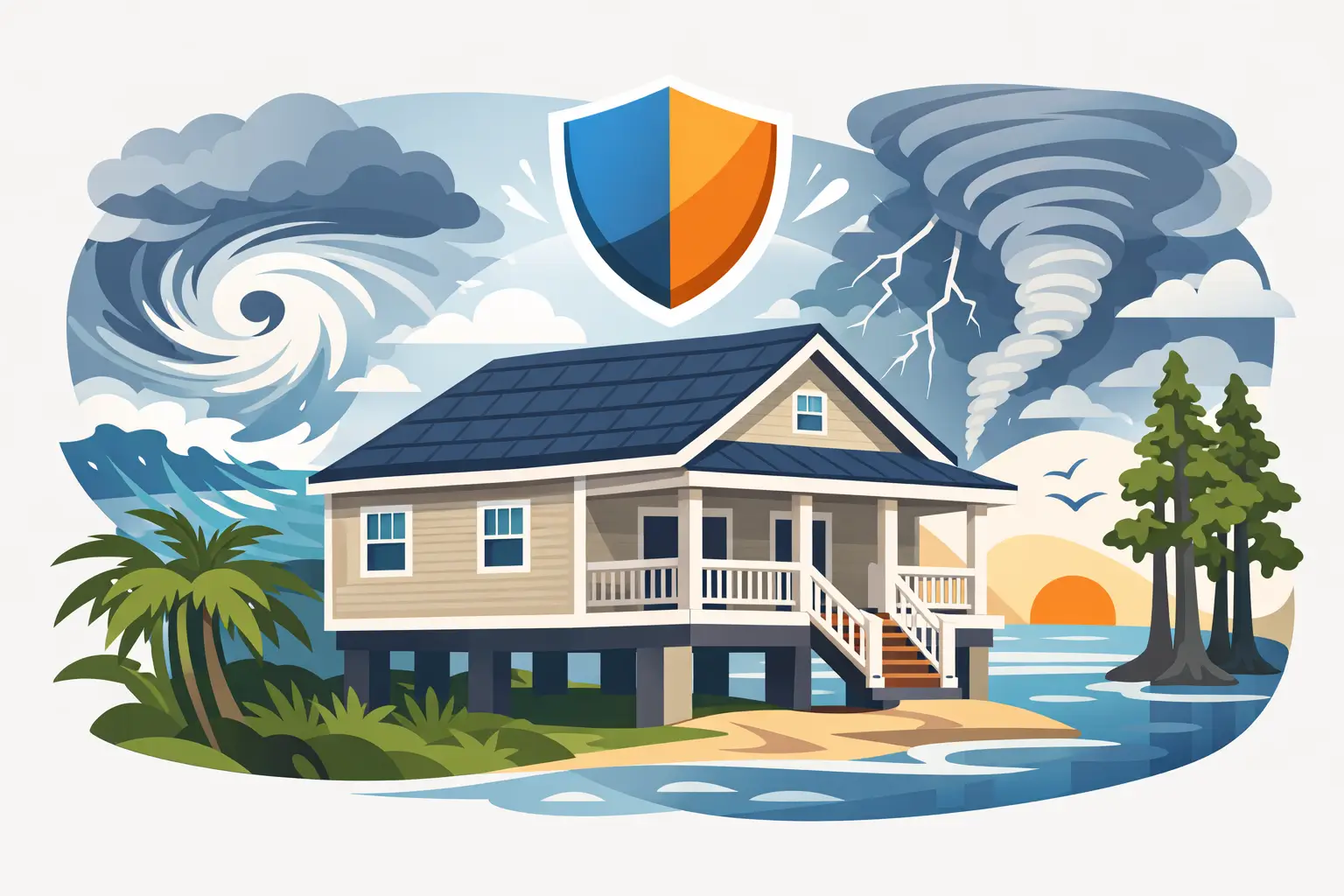
A roof can look fine from the driveway and still be the weak point that lets wind-driven rain into a home. That is a familiar problem across Southeast Louisiana, where hurricanes, tropical storms, intense summer rain, and high winds put every roof system to work. The benefits of fortified roofing come from addressing the details that often fail first: roof-deck attachment, sealed edges, openings, and the connection between the roof and the structure below.
Fortified roofing is not simply a heavier shingle or a different color of metal. It is a documented construction standard designed to reduce damage from severe weather. For property owners, that can mean a better chance of keeping water out when the roof covering is stressed, along with a clearer standard for evaluating the work being performed.
What Makes a Roof Fortified?
A fortified roof follows specific installation requirements intended to improve performance during high-wind and heavy-rain events. Depending on the property and designation level, the work may include stronger roof-deck fastening, a sealed roof deck, reinforced roof edges, and careful installation around penetrations such as vents and pipes.
The sealed deck is especially meaningful in this region. If shingles, metal panels, or other roof covering are damaged or blown off, the roof deck becomes the next line of defense. Sealing gaps and joints can help limit the amount of water that enters the attic and living space while repairs are arranged.
Fortified work also requires more than a contractor saying the roof is storm resistant. The installation must follow the applicable requirements and be documented for verification. That process creates accountability at the parts of the job homeowners rarely see once the new roof is in place.
The Benefits of Fortified Roofing During Storm Season
Better protection against wind-driven rain
A standard roof is designed to shed normal rainfall. During a Gulf Coast storm, rain can be pushed sideways and upward by wind, finding openings around roof edges, ridges, valleys, vents, and fasteners. Once water reaches the decking or attic, the damage can spread quickly to insulation, ceilings, electrical components, flooring, and personal property.
Fortified roofing focuses on limiting those water pathways. Reinforced edges help protect one of the most vulnerable areas of the roof, while a sealed deck provides backup protection beneath the roof covering. No roof can promise zero damage in every hurricane, particularly when debris or structural impacts are involved. Still, reducing water entry after a covering failure can prevent a roof problem from becoming a full interior restoration project.
A stronger roof system, not just new materials
Many roofing conversations begin and end with the visible material. Shingles, metal, underlayment, and flashing all matter, but performance depends on how those pieces work together. A new roof installed without attention to fastening patterns, edge details, and penetrations may not deliver the storm resistance a property owner expects.
The benefits of fortified roofing include a more disciplined approach to those hidden details. Roof-deck attachment helps the structure resist uplift forces. Edge reinforcement helps protect areas that can peel back under high wind. Properly secured openings reduce points where rain and wind can enter. This is building-performance work, not a cosmetic roof replacement.
Potential insurance advantages
A verified fortified roof may qualify a Louisiana homeowner for insurance discounts or other favorable considerations. The exact outcome depends on the insurer, policy, location, roof designation, and current underwriting rules. Savings are not guaranteed, and a roof should never be selected based on a discount alone.
Even so, insurance is a practical part of the decision. Homeowners should ask their agent what documentation is needed before work begins and what designation may qualify. Keeping permits, invoices, photos, and verification records organized can make that conversation much easier.
Fewer disruptions after a major weather event
After a storm, roofing contractors, mitigation companies, insurers, and suppliers can all be overwhelmed. A property with less water intrusion is often easier to stabilize and repair. It may avoid the chain reaction of wet insulation, ceiling collapse, mold growth, damaged finishes, and temporary relocation.
That matters for homeowners, but it also matters for rental owners and commercial property managers. Every day a building is exposed to moisture can affect tenants, inventory, operations, and revenue. A roof designed to better manage storm damage supports faster recovery when conditions are at their worst.
Why Roofing Affects Indoor Comfort and Moisture Control
In Southeast Louisiana, the roof is part of the entire building envelope. When a roof leaks, humid outdoor air and bulk water can enter areas that are difficult to inspect. Wet attic insulation loses effectiveness, which can increase heat transfer into the building and place more demand on the air-conditioning system.
Moisture also creates conditions that support mold growth. A small leak caught quickly may need limited repair. A leak that remains hidden after a storm can affect insulation, framing, drywall, and HVAC-adjacent spaces. That is why roofing, insulation, air sealing, cooling performance, and remediation should be considered connected property systems.
Air Tight Construction approaches property upgrades with that connection in mind. A roof assessment can reveal more than missing shingles. It can identify ventilation concerns, moisture staining, damaged decking, insulation issues, and areas where a coordinated repair plan may protect the building more effectively.
When Fortified Roofing Makes the Most Sense
A full roof replacement is usually the best opportunity to pursue a fortified designation because the deck and underlying components are accessible. It can be particularly worthwhile for homes in exposed locations, properties with a history of storm-related leaks, and owners planning to stay in the building long term.
It may also be a sound choice after a storm claim, during a substantial renovation, or when an older roof is approaching the end of its service life. For commercial buildings, the right approach depends on the roof type, building design, occupancy, and operational needs. A low-slope commercial roof requires a different evaluation than a steep-slope residential roof.
There are trade-offs. Fortified roofing can cost more than a basic replacement because it involves added materials, labor, inspections, documentation, and careful coordination. Existing deck damage, complex roof geometry, skylights, chimneys, and multiple penetrations can add to the scope. The practical question is not whether every property needs the same upgrade. It is whether the added protection makes sense for the building’s exposure, condition, budget, and risk tolerance.
Planning a Fortified Roof Project
A good project starts with a thorough inspection, not a quick estimate based only on roof size. The contractor should evaluate the existing covering, decking, roof edges, drainage, flashing, ventilation, and signs of water damage. If the attic is accessible, that inspection should also consider insulation condition and evidence of past leaks.
Next comes a clear scope of work. Property owners should understand what roof material is proposed, what fortified measures are included, how damaged decking will be handled, what permits or inspections apply, and how the site will be protected during construction. This is also the time to ask about documentation required for verification and potential insurance review.
During installation, cleanup and communication matter. Roofing is disruptive work, but a professional crew should protect landscaping and exterior areas, manage debris, keep the owner informed about concealed damage, and complete a final walkthrough. The finished roof should provide more than a fresh appearance. It should give the owner confidence in what is beneath the surface.
A fortified roof is a practical way to invest in the part of the building that faces the weather first. If your roof is aging, has leaked before, or is being replaced after storm damage, start by asking how the full roof system can be strengthened before the next hard rain tests it.

4 thoughts on “Benefits of Fortified Roofing for Louisiana Homes”